The Craft
Our Methods
Ten ways of making time an ingredient — and where each one came from.
Nothing in our kitchen is new. Every technique below was worked out by people who had no refrigeration, no laboratory and no choice, and who nonetheless produced most of the food the world now considers luxurious. We have added thermometers and gram scales. The ideas are theirs.
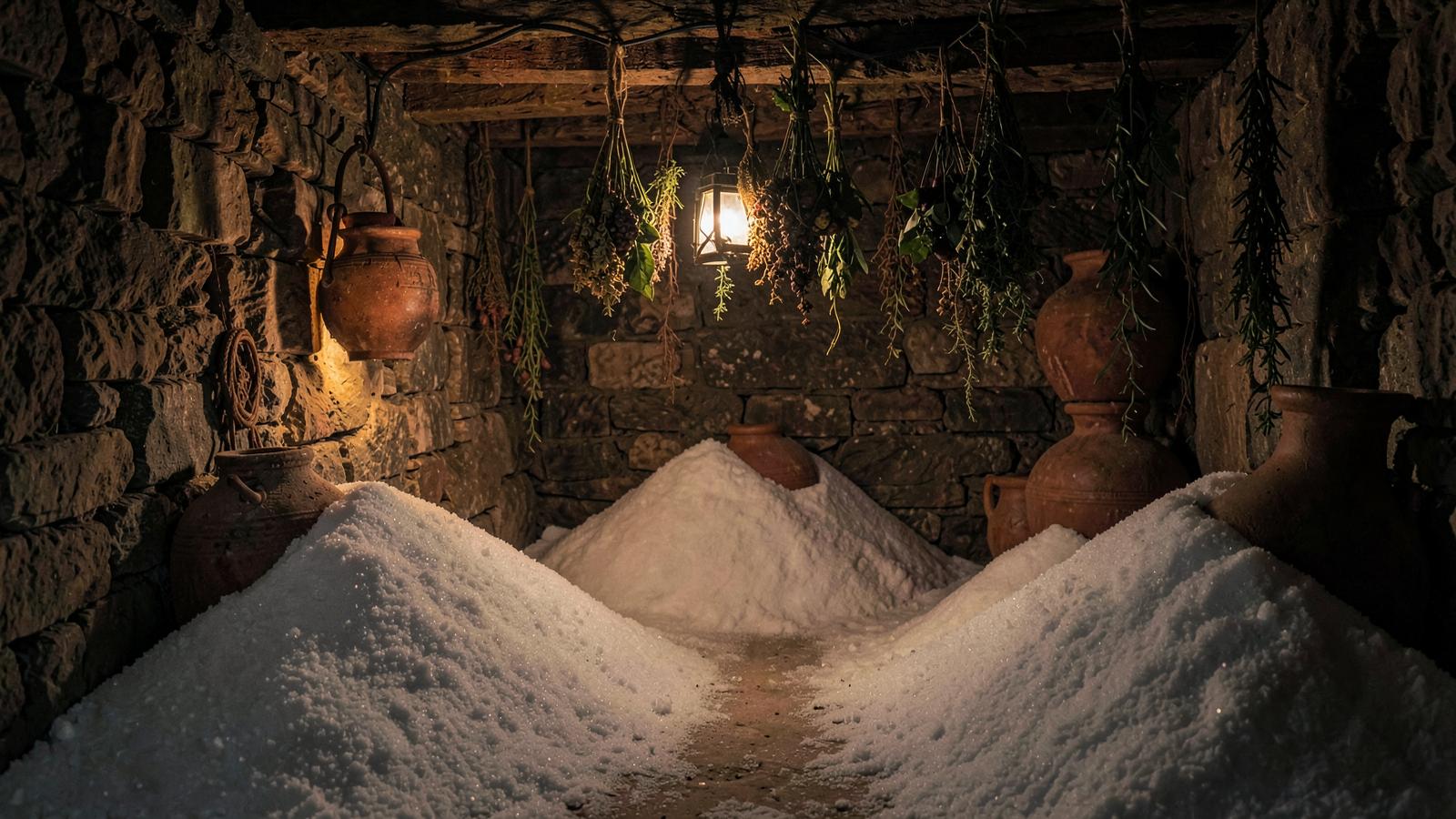
Sal · the oldest wage
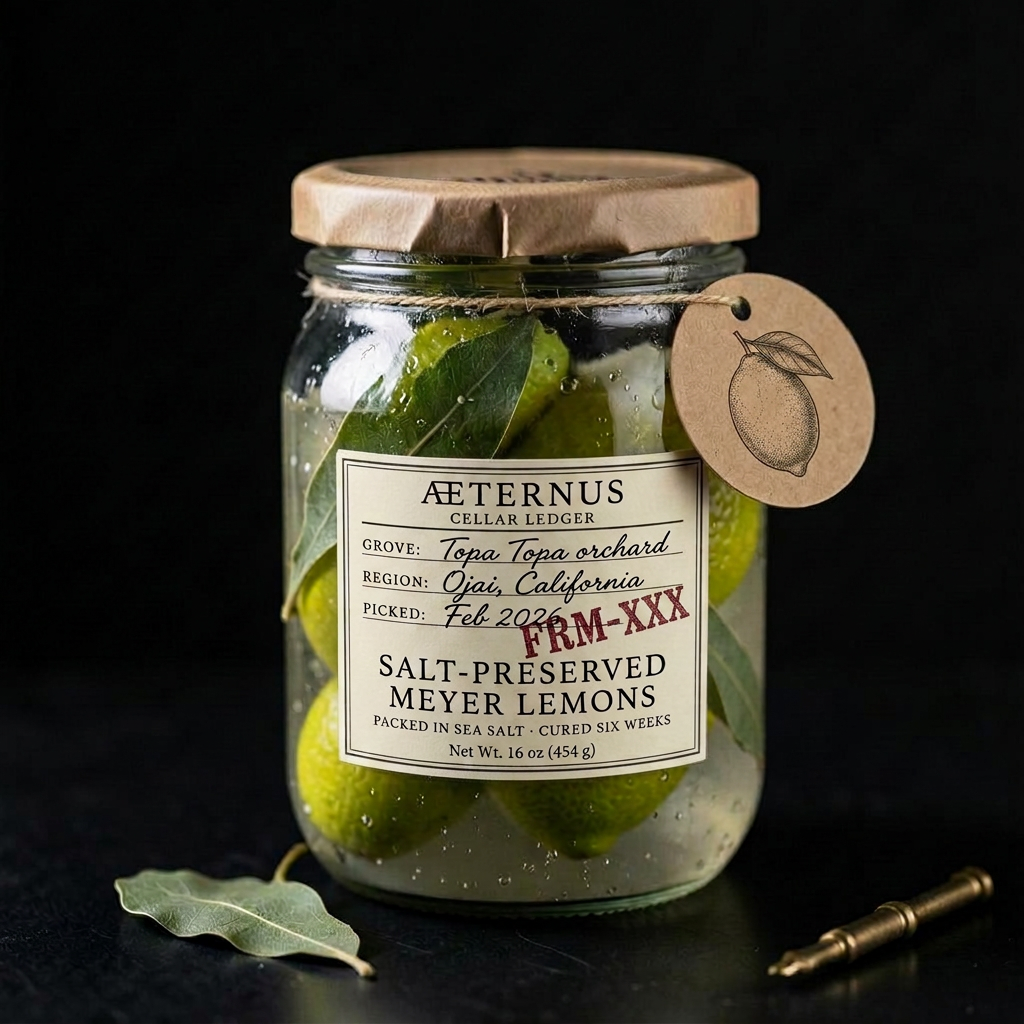
Salt Curing
Draw the water out and nothing can live in what remains. Every other method is a variation on this one.
- Age
- At least 6,000 years
- Roots
- Mesopotamia, Egypt, coastal China
Salt is the first preservative and the first industrial commodity. Salt works at Poiana Slatinei in Romania date to around 6050 BC; Chinese records describe salt harvesting at Lake Yuncheng by 6000 BC. Egyptian natron preserved both fish and pharaohs, using precisely the same osmotic principle.
Salt built roads and empires. Rome's Via Salaria was the salt road, and Roman soldiers received a salarium — a salt allowance — which is where the word salary comes from. Control of salt underwrote Venice's wealth, Liverpool's, and the gabelle tax that helped bring on the French Revolution.
The chemistry was only explained in the nineteenth century: salt lowers water activity below the level at which spoilage bacteria can function, while enzymes inside the food keep working slowly. That gap between 'nothing can rot' and 'the food keeps changing' is the whole reason cured food develops flavour rather than merely surviving.
How we practise it
- ·We cure by weight, not by eye. Every cure is calculated as a percentage of the food's own mass and checked on a gram scale.
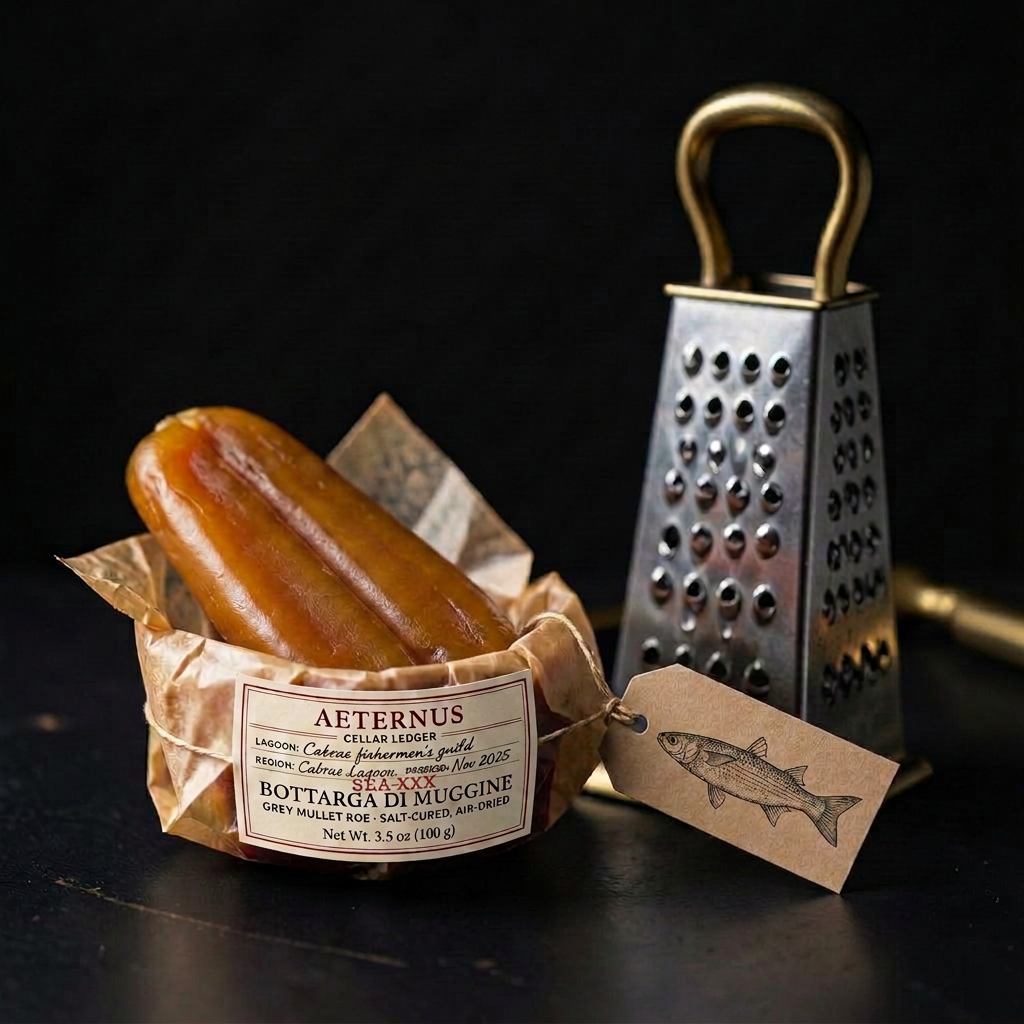
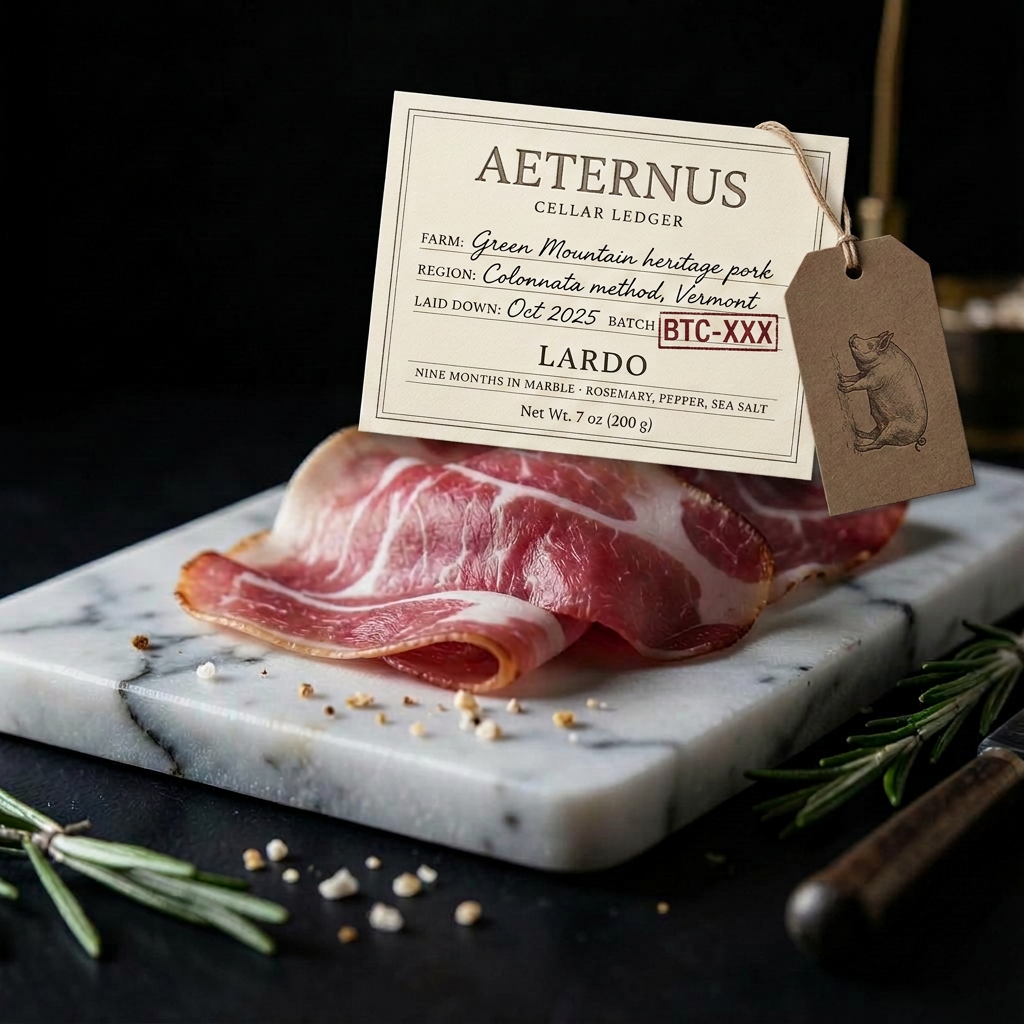
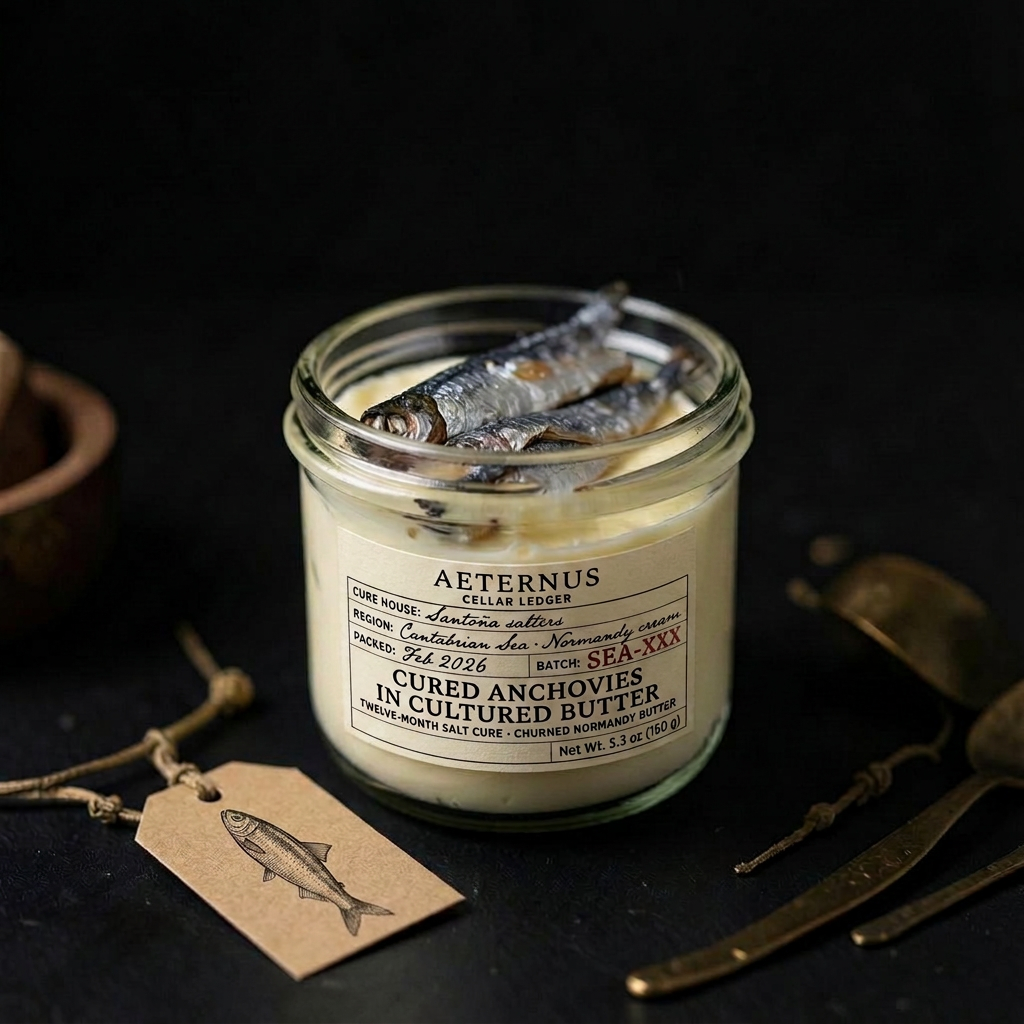
- ·Dry cures for anything we want firm and concentrated — bottarga, lardo, anchovy. Wet brines for anything we want to stay plump.
- ·Nothing is rinsed after curing unless the recipe demands it. Rinsing puts water back into a food we have just spent weeks taking water out of.
Fumus · the second skin
Smoking
Smoke is not a flavour we add. It is a coat of preservative compounds laid down over hours.
- Age
- Tens of thousands of years
- Roots
- Wherever there was fire and a roof
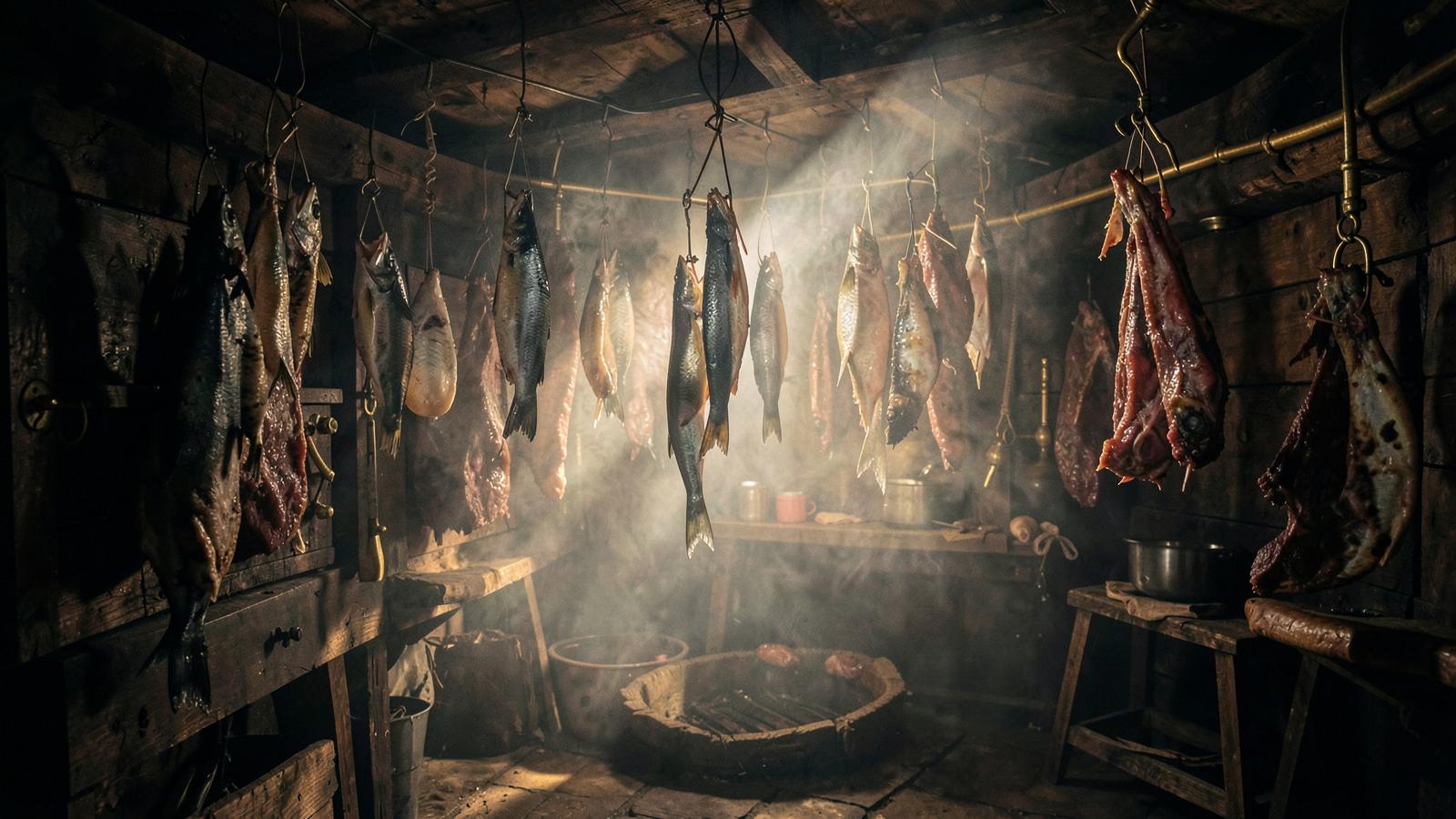
Smoking is probably older than agriculture. Hanging meat and fish in the roof of a dwelling to keep it away from animals meant it sat in woodsmoke, and the results kept. Archaeological smokehouse structures have been found across northern Europe and the Baltic dating back many thousands of years.
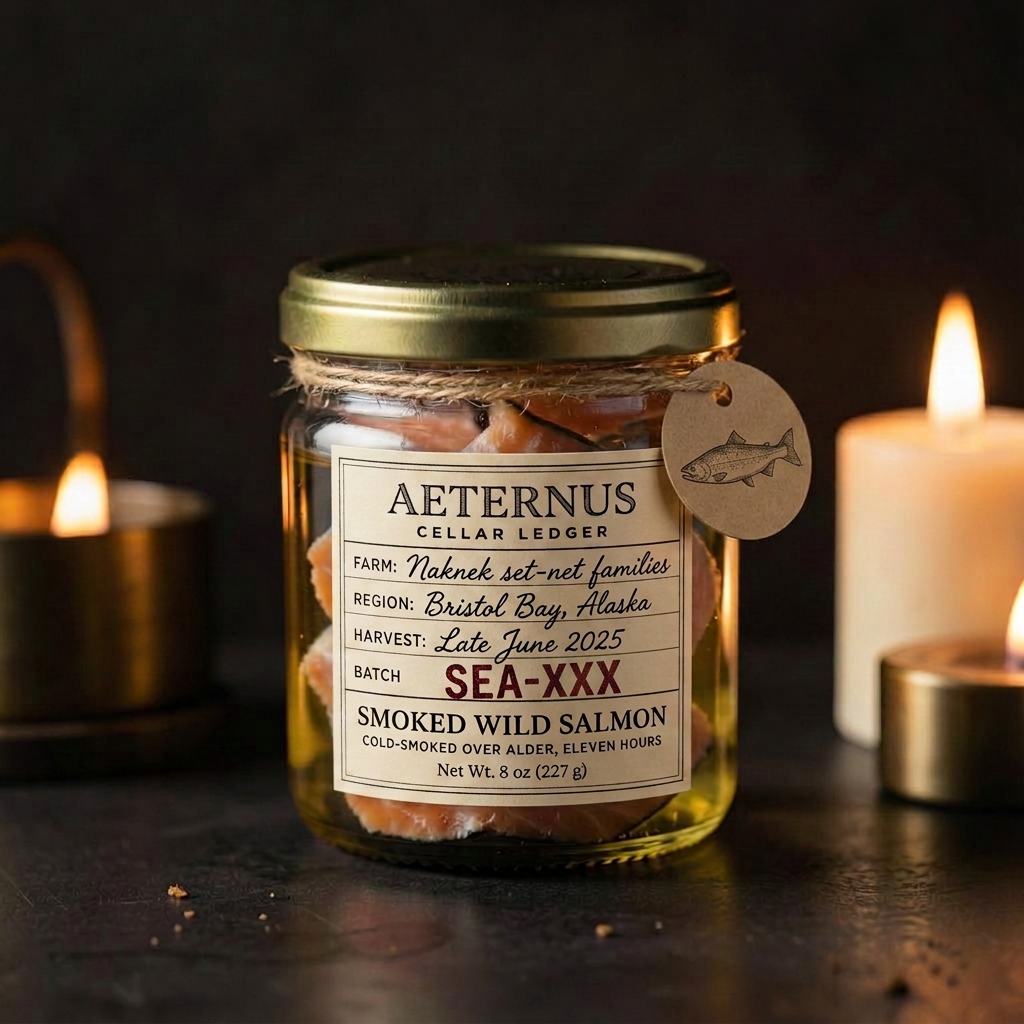
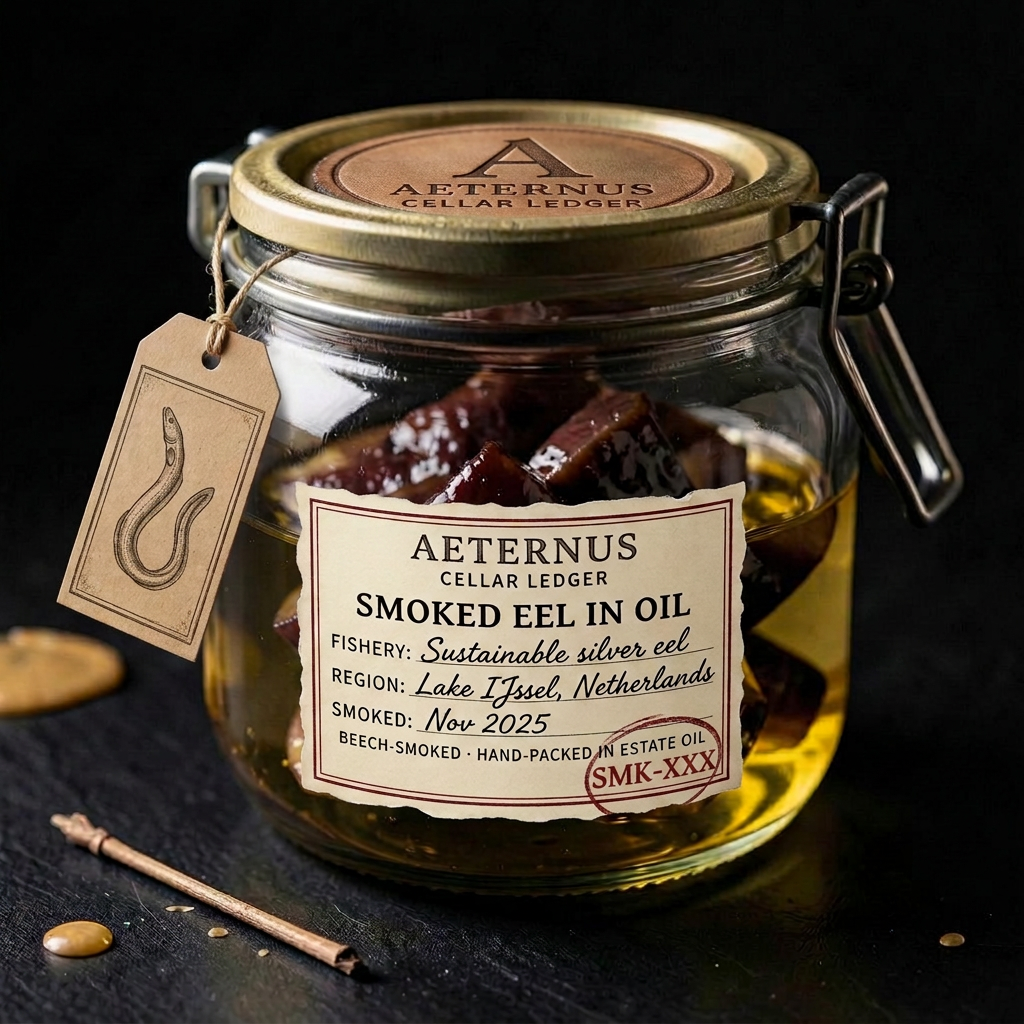
The active chemistry is phenols, carbonyls and organic acids, all of which are antimicrobial and antioxidant. They slow the fats from turning rancid, which is why oily fish — herring, eel, salmon, mackerel — took to smoking better than anything else and became the staple trade goods of the North Sea and Baltic.
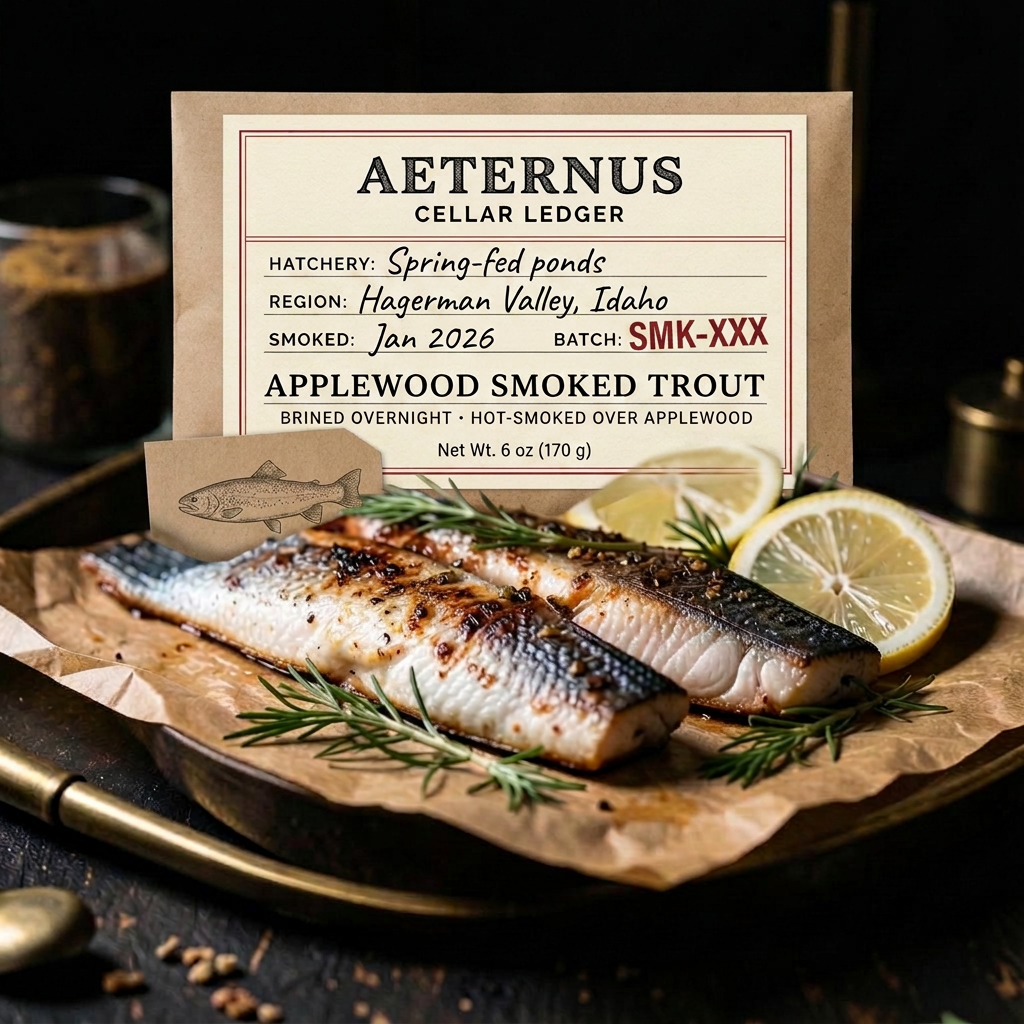
The split between cold smoking (below 30°C, the food stays raw and takes weeks to months of shelf life) and hot smoking (60–85°C, the food cooks) is ancient and universal, arrived at independently on every continent.
How we practise it
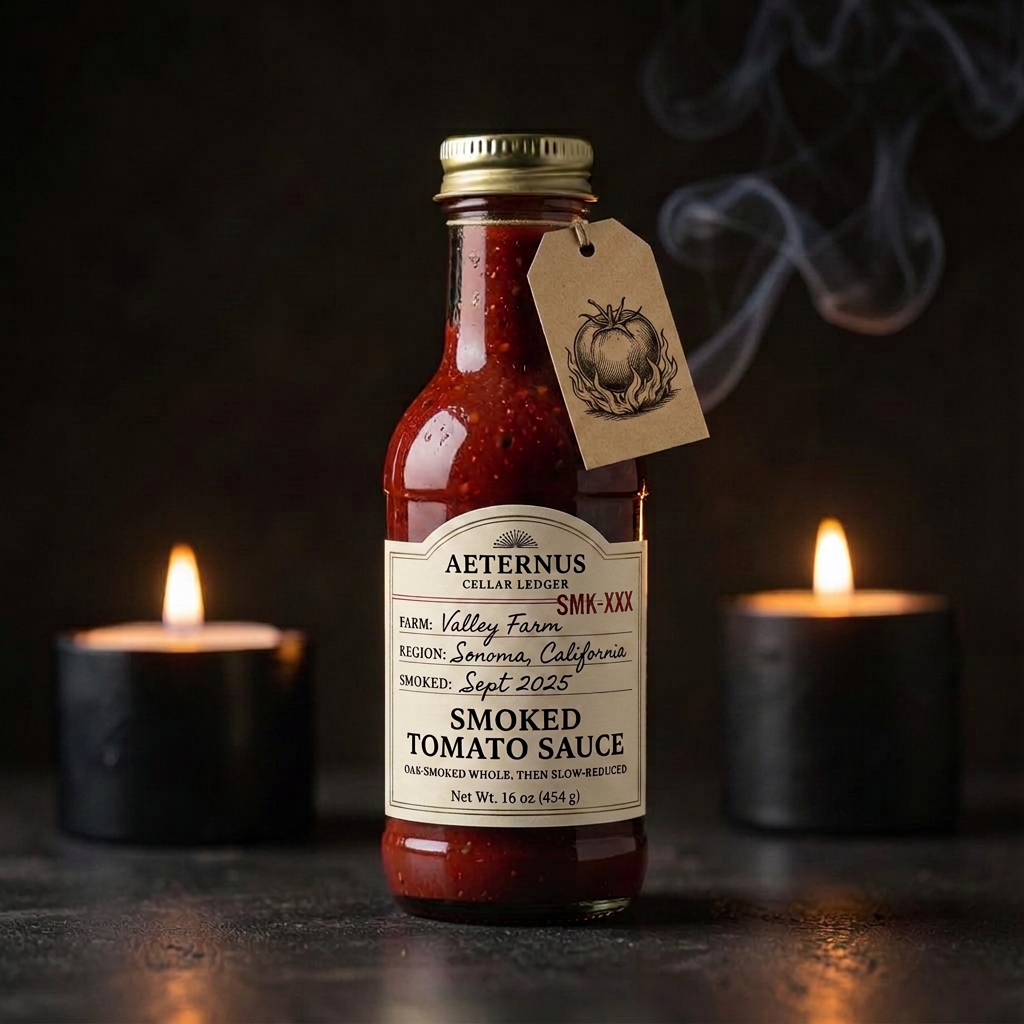
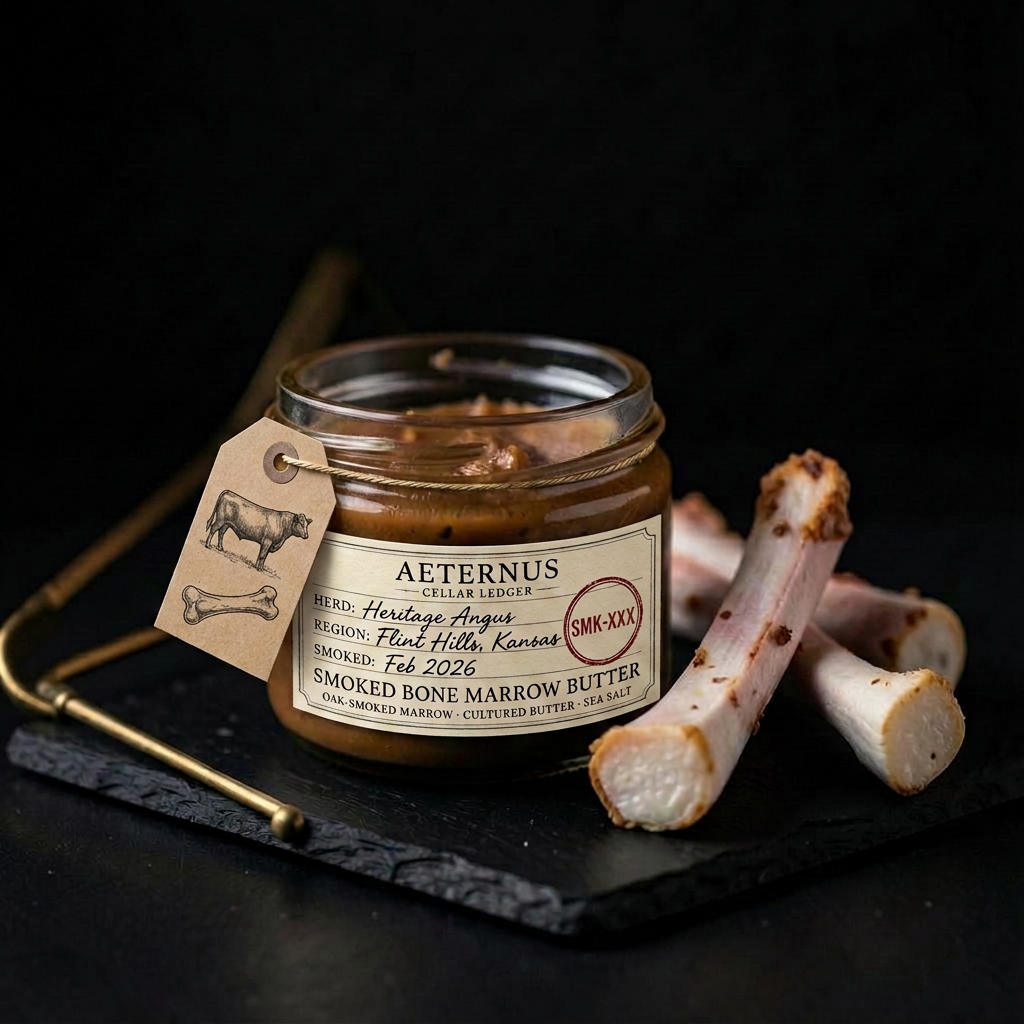
- ·We choose wood to the ingredient: alder for salmon, apple for tomato, beech for eel, oak for marrow. Never mesquite — it overwhelms anything delicate.
- ·Everything air-dries to a pellicle before it enters the chamber. Smoke will not bond to a wet surface; it condenses into bitterness instead.
- ·Hot smoking is done in a rising staged curve, never at one flat temperature, so the skin sets before the fat renders.
Fermentum · letting the small things work
Fermenting
We do not preserve the food ourselves. We give the right microbes an advantage and let them defend it.
- Age
- At least 9,000 years
- Roots
- China, the Caucasus, Mesopotamia
Residue analysis of pottery from Jiahu in Henan province shows a fermented rice, honey and fruit drink being made around 7000 BC. Bread, beer, wine, cheese, soy sauce, vinegar and yoghurt are all fermentation; so is the sauerkraut carried on sailing ships that ended scurvy on long voyages.
Lactic acid bacteria already live on the surface of vegetables. Submerge shredded cabbage in a 2% salt brine and you have simply tilted the odds: the salt suppresses the spoilage organisms and the lactobacilli, which tolerate it, take over and drop the pH below 4.
Pasteur identified the microbes in the 1850s, but the technique needed no theory. Every culture on earth ferments something, and almost all of them worked it out before writing.
How we practise it
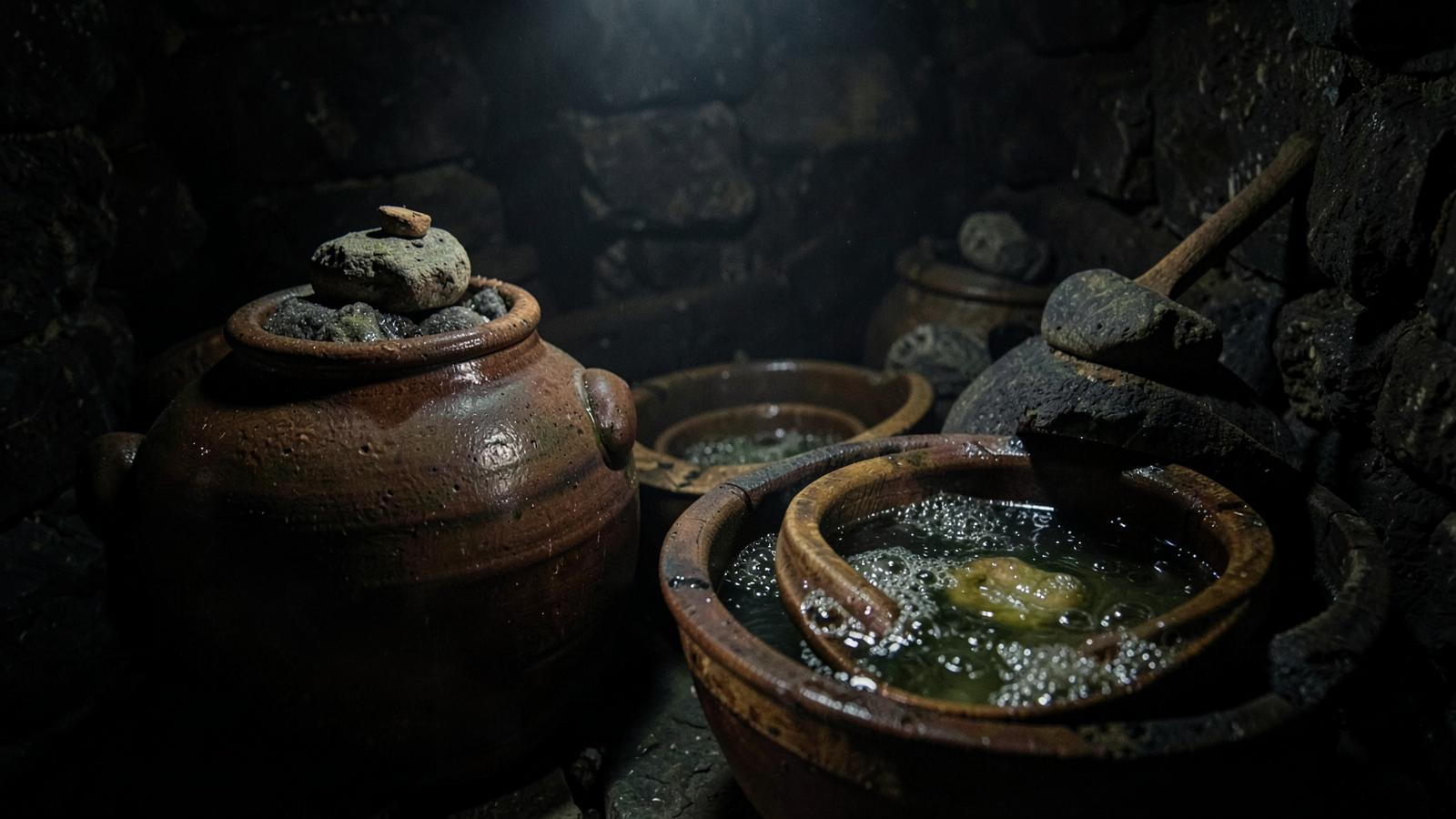
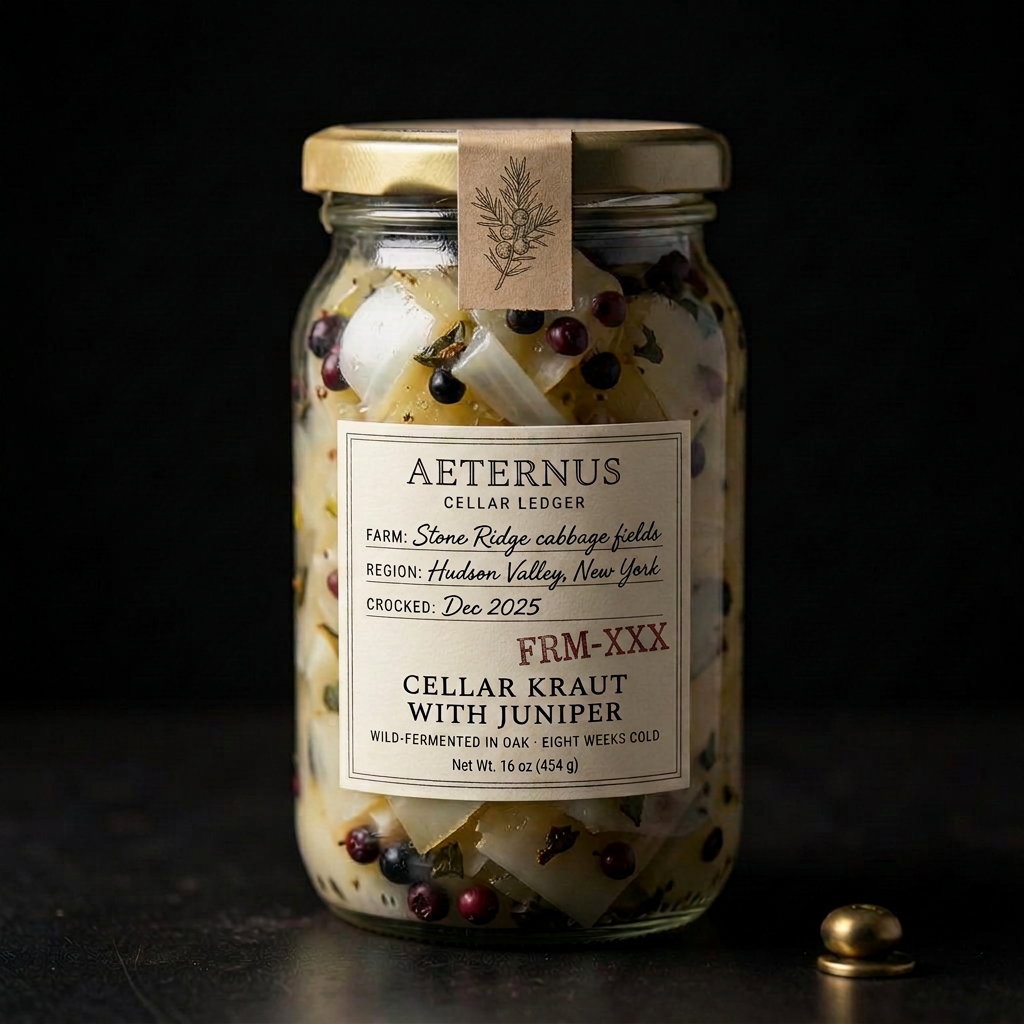
- ·Cold and slow. Our crocks sit at cellar temperature for eight weeks rather than in a warm kitchen for two, which builds acidity without losing texture.
- ·Weighted under stone and kept fully submerged. Anything that breaks the surface will grow the wrong thing.
- ·We jar live and unpasteurised where the law allows it, which is why our ferments must be kept cold and continue to change in the jar.
MADE THIS WAY
Confire · to keep, by covering
Confit & Potting
Cook it in fat, then seal it under fat. Air is the enemy, and a cap of lard is a very good door.
- Age
- Medieval at the latest; likely Roman
- Roots
- Gascony, the Loire, the English larder
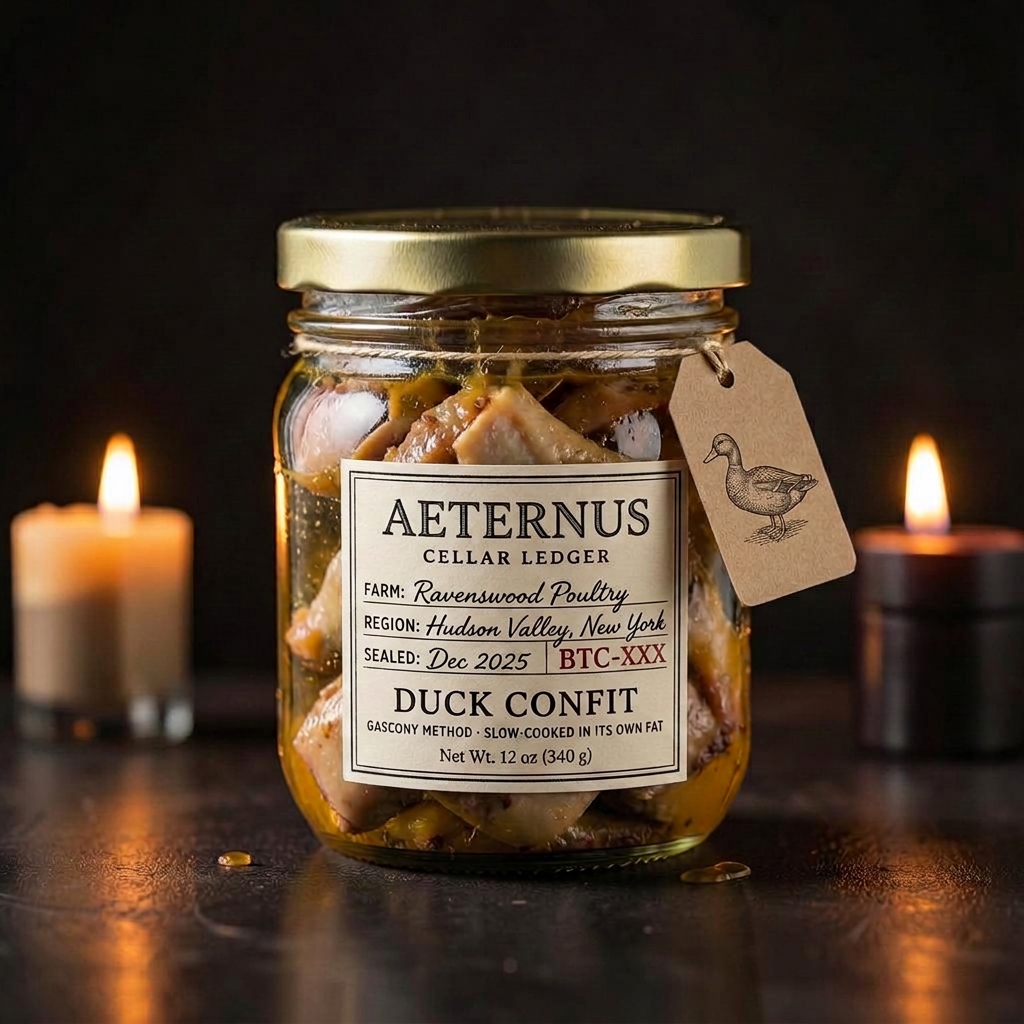
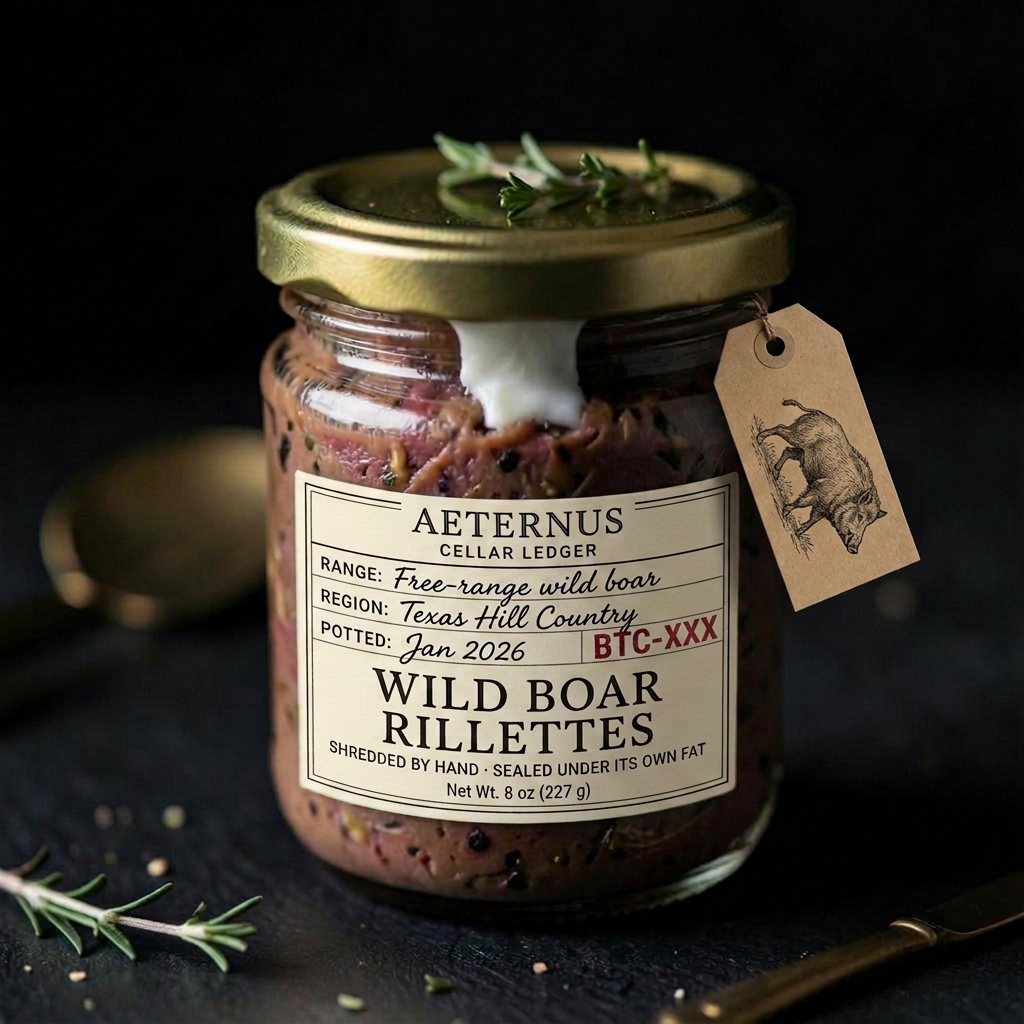
Confit is the technique that let southwest France keep a whole goose or duck through winter. Salt first to draw water, then a long poach in rendered fat, then storage in a crock with two fingers of fat over the top. Roman writers describe meat kept under fat and oil, and the Middle Eastern qawarma is the same idea travelling a different road.
The English cousin is potting: fish, game, shrimp or cheese packed into a pot and sealed under clarified butter, documented in Hannah Glasse's 1747 cookbook and in household receipt books a century earlier.
The Loire's rillettes take it a step further by shredding the meat back into its own fat, producing something that keeps like a confit but spreads like a pâté.
How we practise it
- ·We confit low — around 82°C — for hours rather than fast at a fry temperature, so the meat poaches rather than browns.
- ·Meat is wiped clean of its cure, never rinsed. Water in a fat pot causes rancidity.
- ·Every potted jar gets a full two-centimetre cap. A thin cap cracks in transit and lets air in.
Appertisation · Napoleon's prize
Canning & Bottling
Seal it, heat it, and nothing gets in afterwards. Invented for an army; perfected in a courtyard in August.
- Age
- Since 1795
- Roots
- Paris, then all of southern Europe
In 1795 the French government offered 12,000 francs to anyone who could keep an army fed on the march. Nicolas Appert, a Parisian confectioner, spent fourteen years on the problem and found that food sealed in glass and then heated would keep indefinitely. He published in 1810 and collected the prize.
He had no idea why it worked — Pasteur's germ theory was fifty years away. That same year Peter Durand patented the tin canister in England, and within a generation canned food was feeding navies, expeditions and cities.
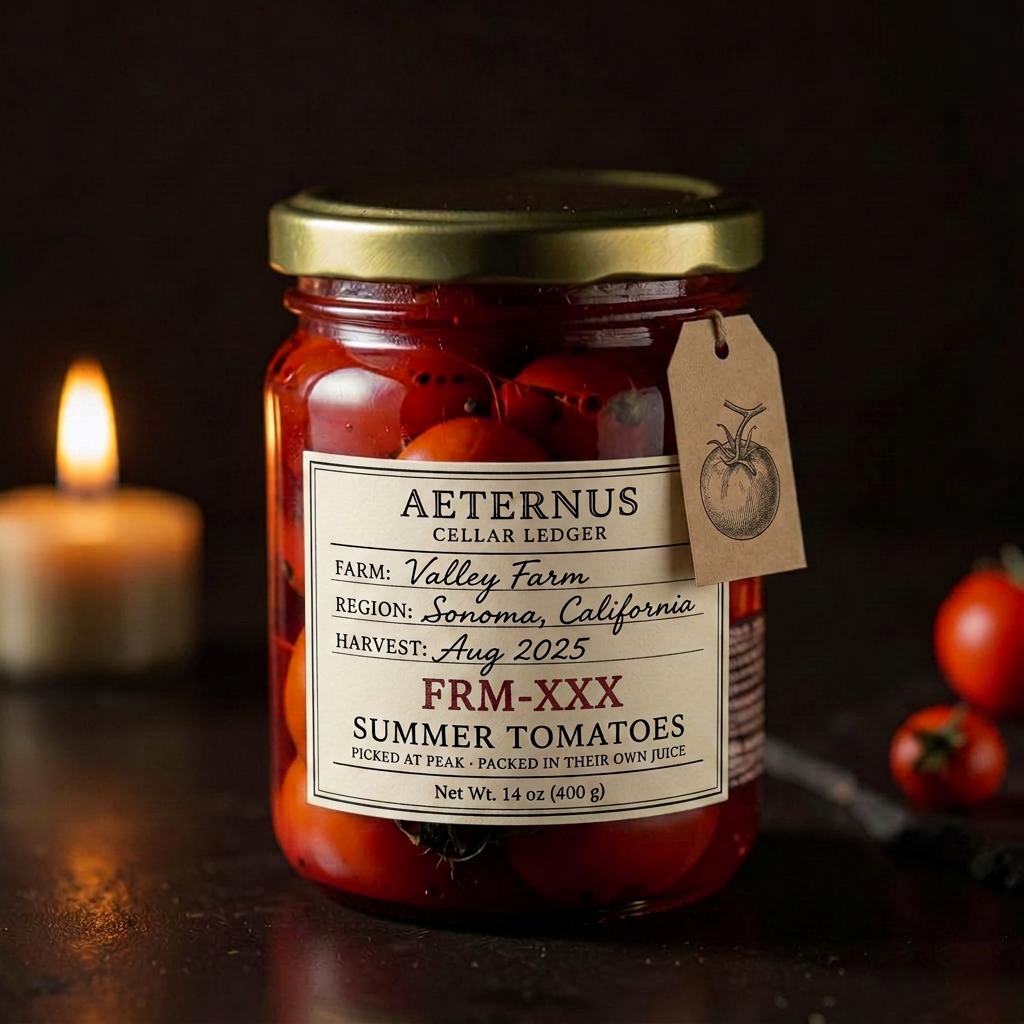
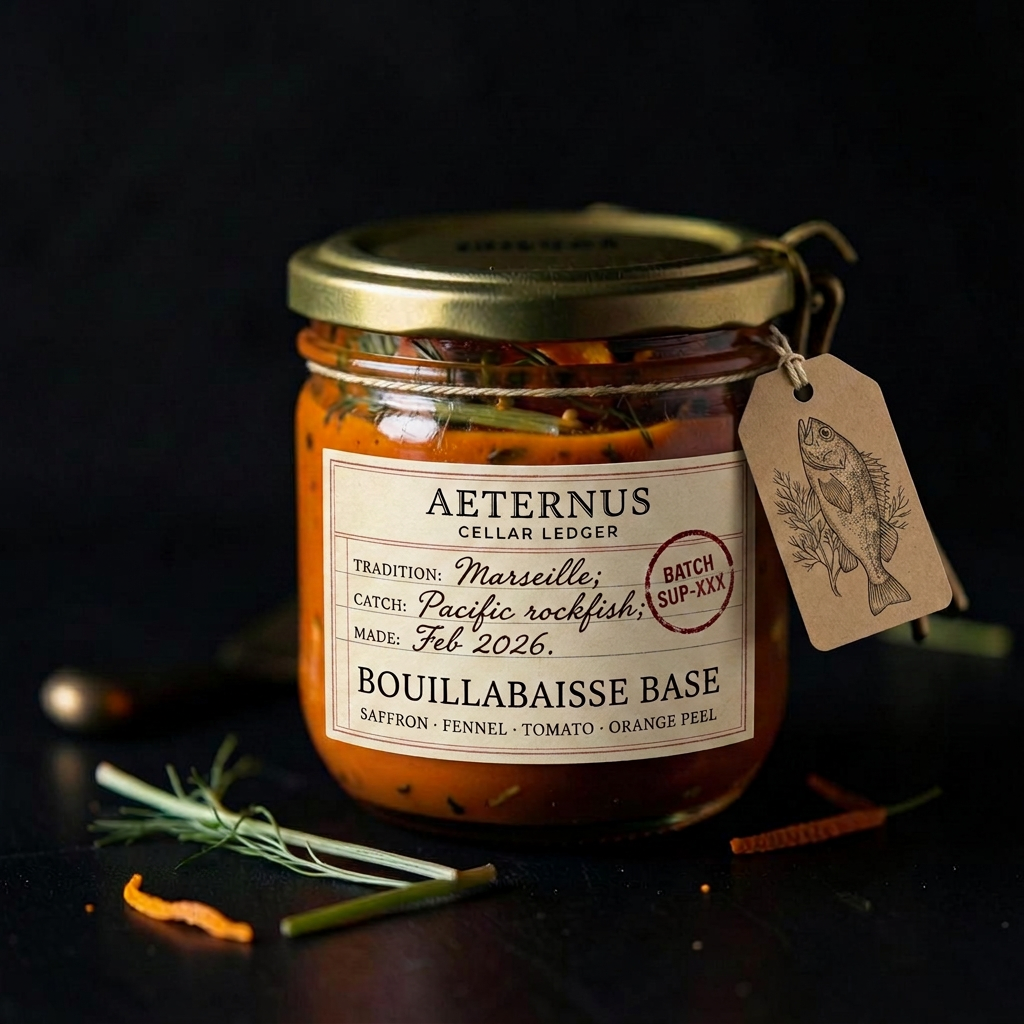
In southern Italy and Spain it stayed domestic and became ritual: the August conserva day, when a family bottles enough tomatoes to reach next August — a household tradition rather than a factory one.
How we practise it
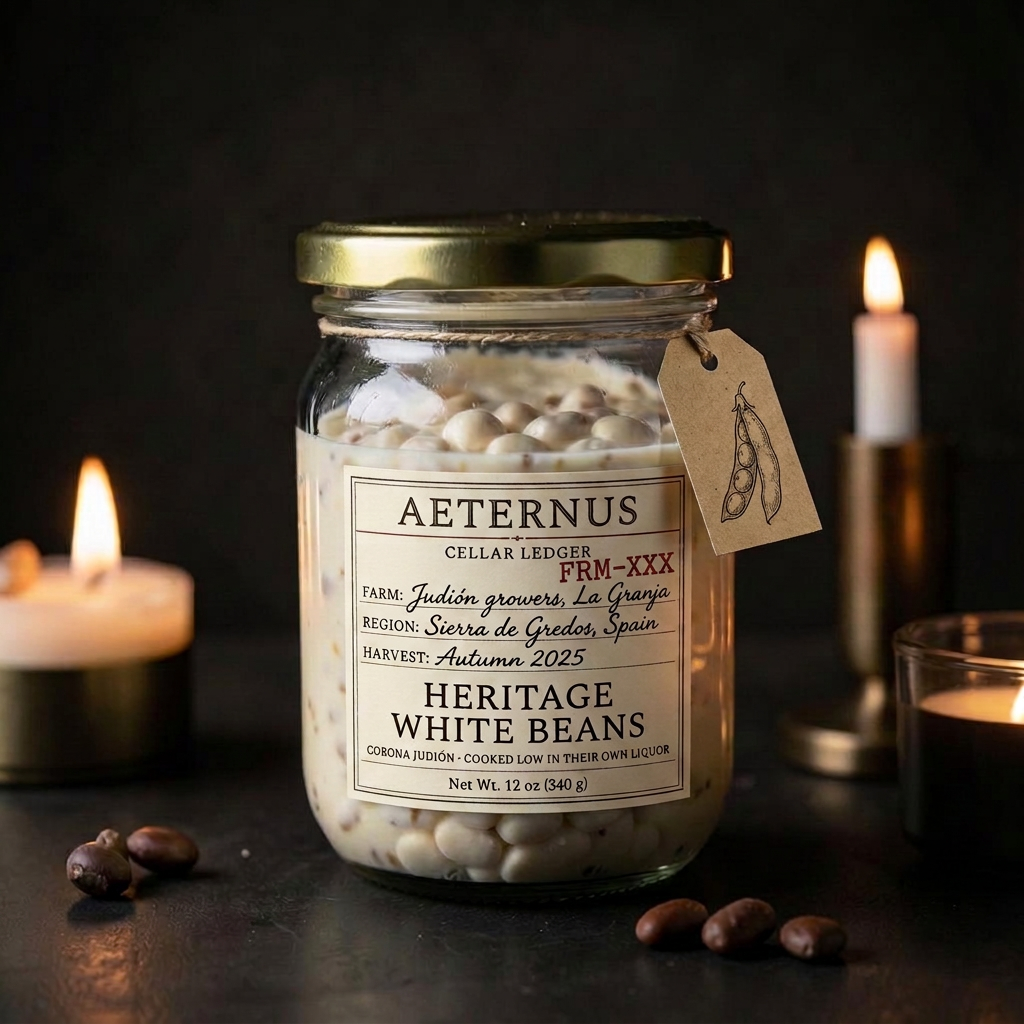
- ·Hot pack, hot seal, no added water. What goes in the jar is the food and its own liquor.
- ·Each released batch will document its packing date and storage class once producer details are verified.
Sub oleo · under the oil
Oil Maturing
Oil excludes air and, given months, trades character with whatever is sitting in it.
- Age
- Roman and older
- Roots
- The whole Mediterranean basin
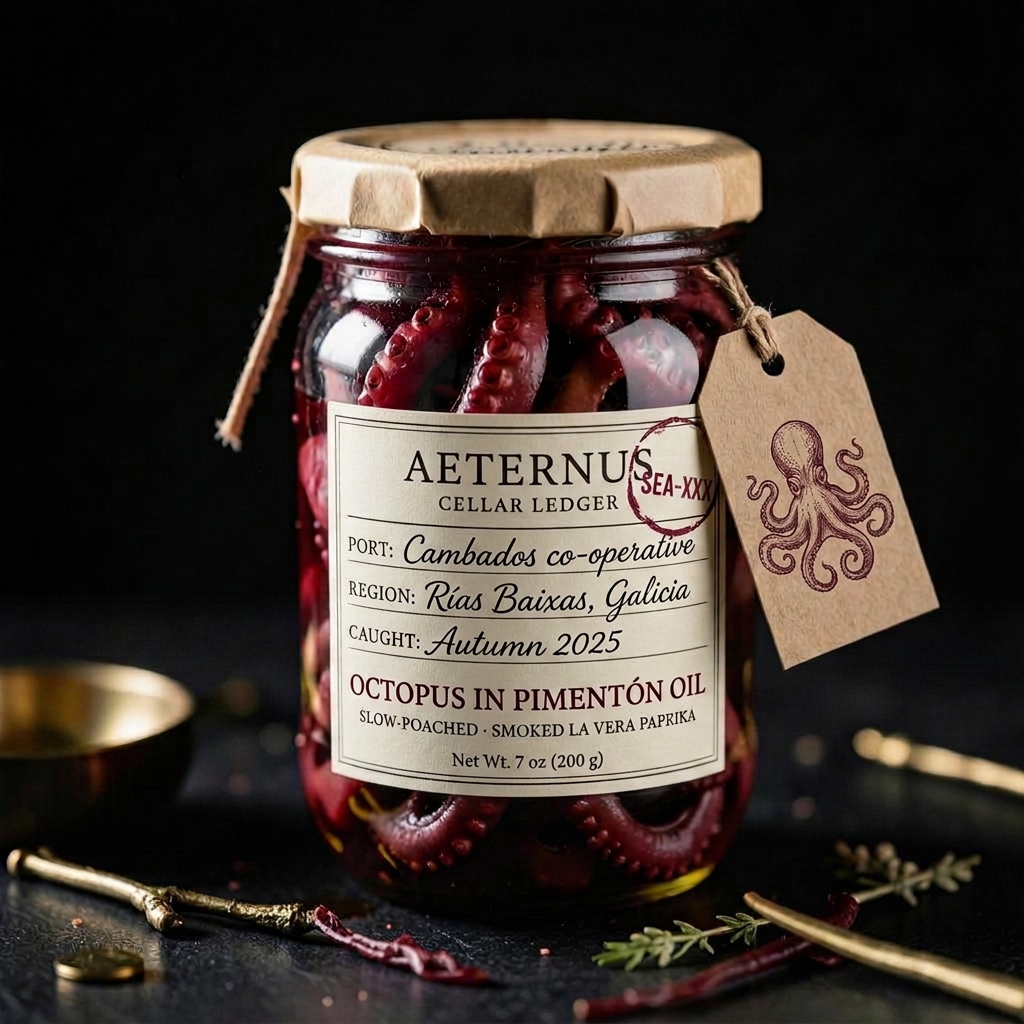
Storing food under olive oil is as old as olive cultivation itself. Roman villas kept cheeses, small fish and vegetables in oil in dolia, and amphorae recovered from Mediterranean wrecks still carry the residues.
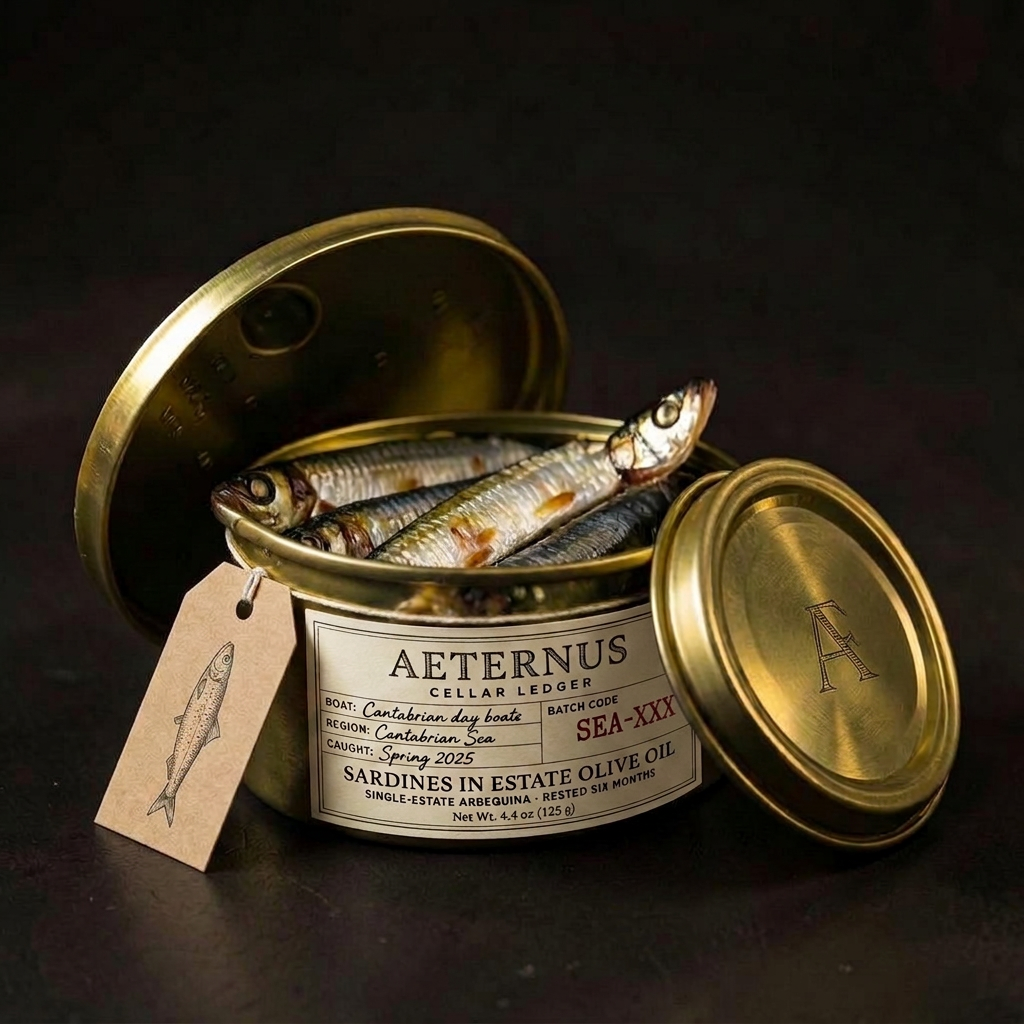
The Iberian conserva industry industrialised the idea in the nineteenth century and then did something unusual with it: they began ageing tins deliberately, dating them like wine and turning them in the warehouse so the oil and flesh could exchange character evenly.
A great oil-matured conserva is therefore not a fresh product that has survived. It is a product that could only exist after six months of doing nothing.
How we practise it
- ·Jars are physically turned regularly so nothing sits with one face out of the oil.
- ·Aromatics stay whole — a bay leaf, a strip of peel — so they perfume slowly rather than dominating in week one.
Ignis · the first kitchen
Fire Roasting
Older than the pot, older than the pan. Food laid directly into embers.
- Age
- Around 800,000 years of controlled fire
- Roots
- Everywhere humans have been
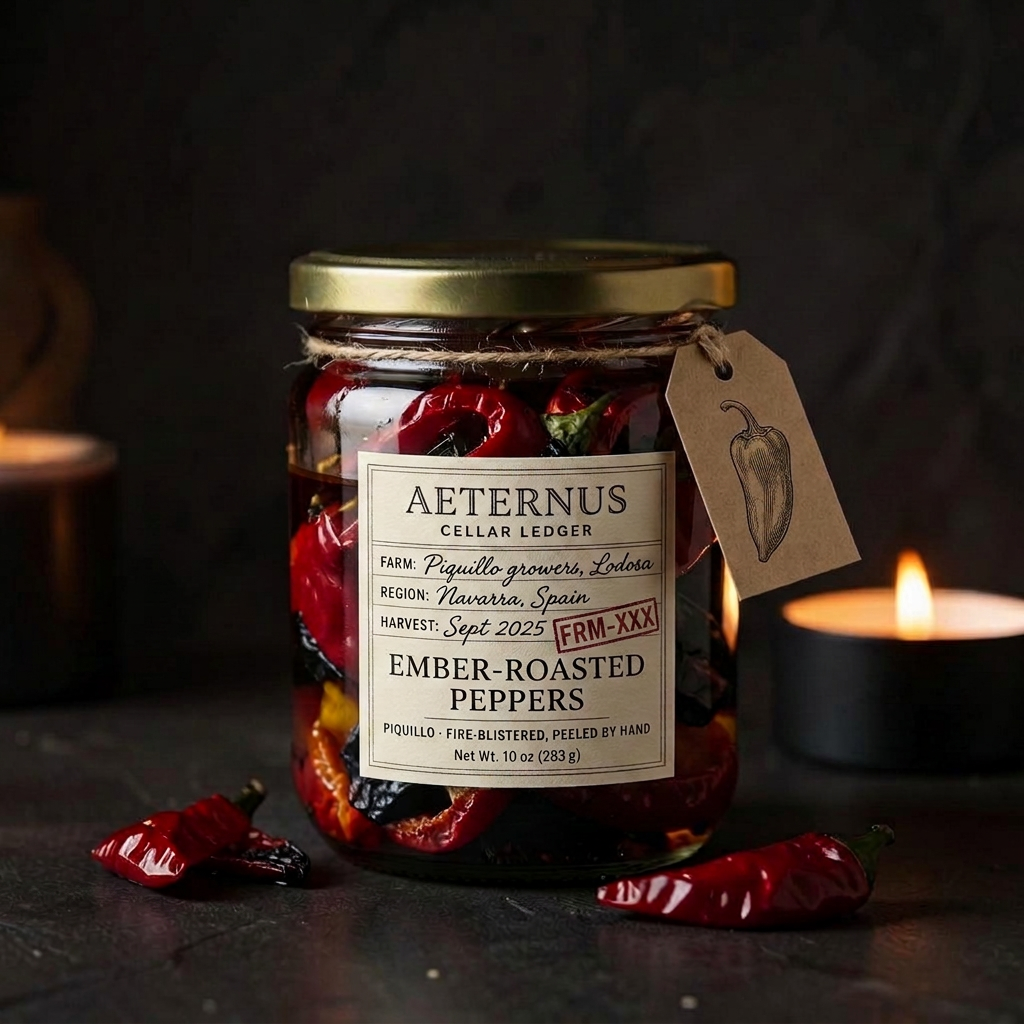
Direct-fire cooking is the original technique. Evidence of controlled fire use for food goes back hundreds of thousands of years, and the ember-roasting of vegetables — burying a whole pepper, onion or root in the ashes — survives in nearly every cuisine.
In Navarra it became a protected craft. Piquillo peppers are still roasted whole over vine cuttings and peeled by hand, because machine peeling requires steam or lye and both wash away the smoke that the fire has just put there.
The chemistry is Maillard browning and caramelisation happening on the skin while the flesh steams inside its own jacket — a two-stage cook from a single heat source.
How we practise it
- ·Vine cuttings, not charcoal. Vine wood burns fast and hot with a resinous edge that suits pepper skin.
- ·Peppers sweat under cloth and are peeled hot, by hand, with dry fingers. Never washed.
- ·Torn rather than knife-cut, so the flesh keeps its own roasting juices instead of bleeding them.
MADE THIS WAY
Tempus · time as an ingredient
Long Braising
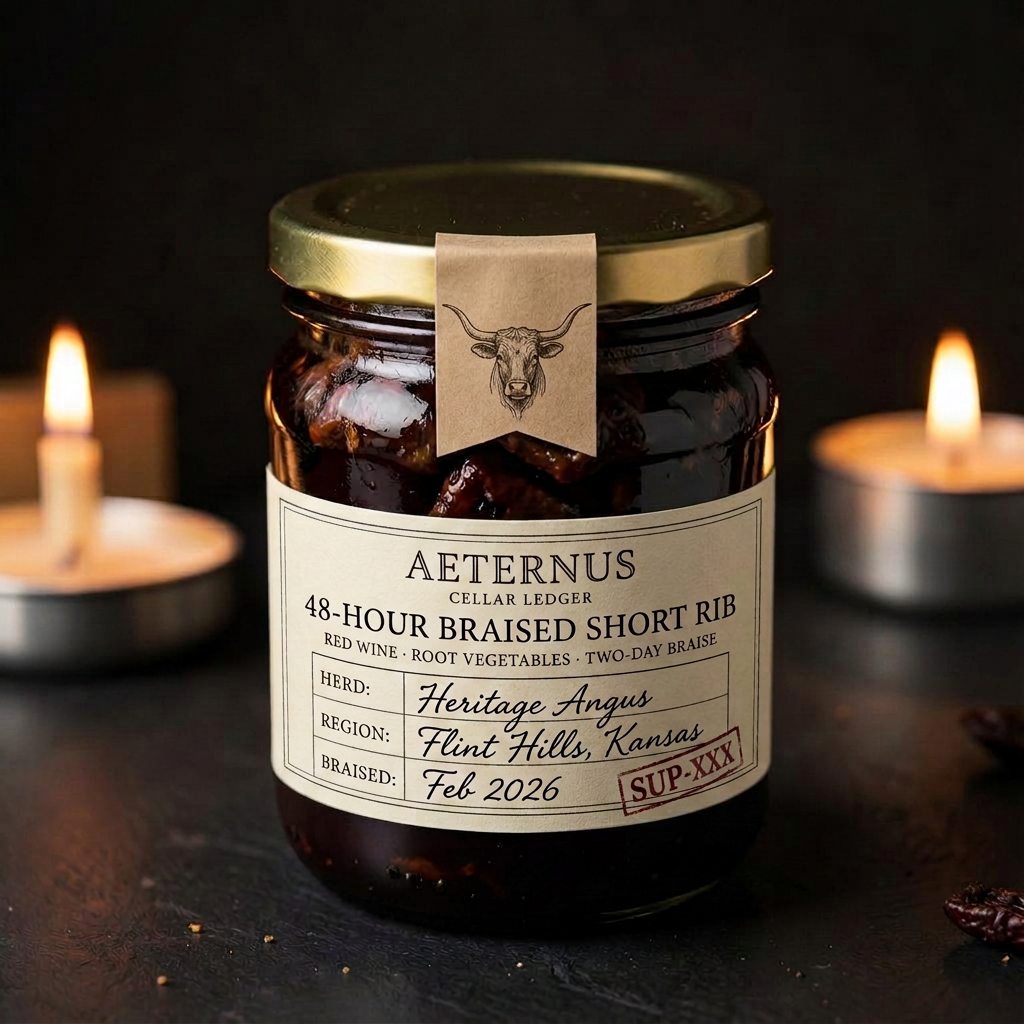
Tough muscle, a little acid, and enough hours for collagen to give up and become gelatine.
- Age
- Medieval and older
- Roots
- Provence, Flanders, the English pot
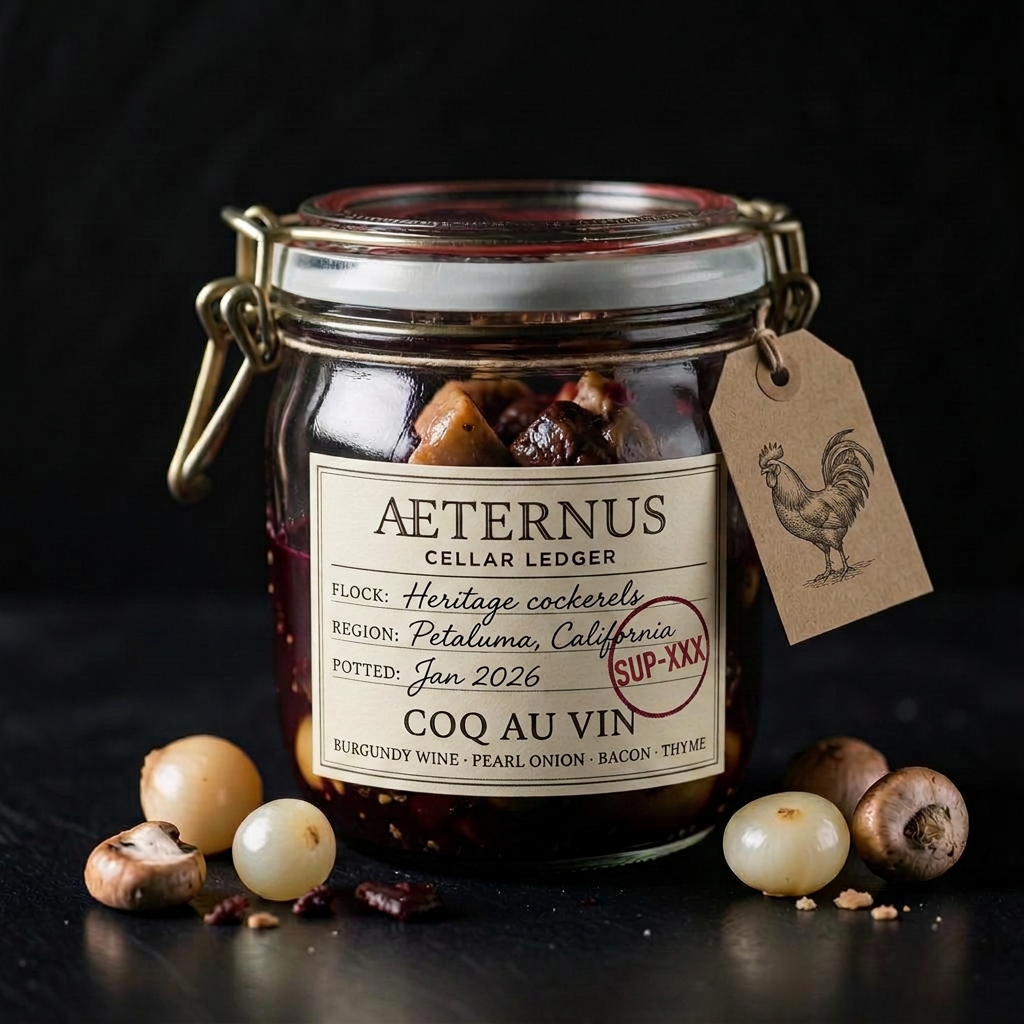
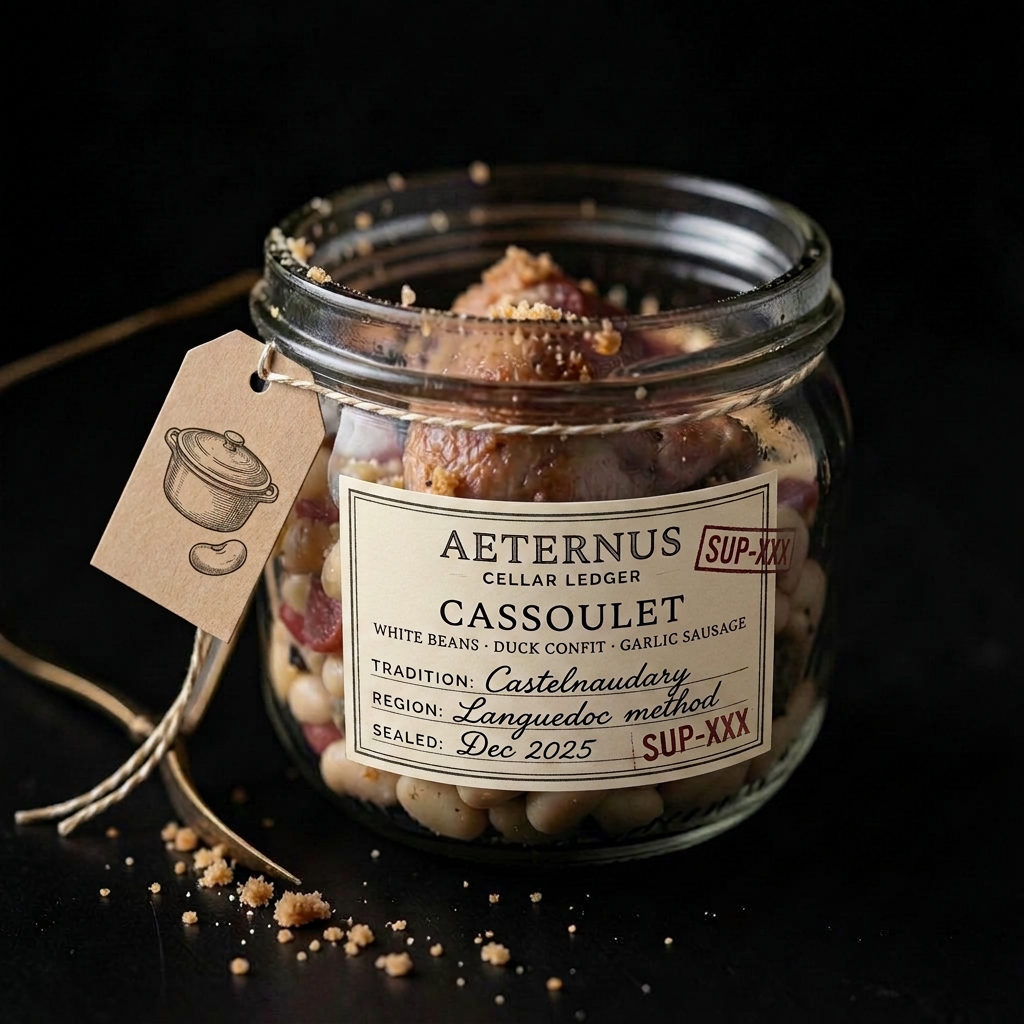
The daube, the estouffade, the carbonnade, the pot-roast and the cassoulet are all one idea. The Provençal daubière — a bulbous earthenware pot with a concave lid you filled with water so steam condensed back inside — anticipated the sealed pressure vessel by six centuries.
The dishes exist because the animals people could afford were old and hard-working. Coq au vin needs an old fighting cockerel; cassoulet needs the cuts nobody would roast.
The modern refinement is thermal precision. Bruno Goussault and Georges Pralus established low-temperature cooking in France in the 1970s, and Thomas Keller and Heston Blumenthal turned it into a fine-dining language.
How we practise it
- ·78–80°C, held on a probe and checked hourly. Above 85°C the muscle squeezes out moisture faster than collagen converts.
- ·Marinades are always reduced separately and hard before they go back into the pot.
- ·Everything rests overnight so the fat cap can be lifted cold, in one disc, without taking the glaze.
Confectio · the apothecary's craft
Sugar Preserving
Sugar binds the water so nothing else can use it. Copper makes the pectin set. The rest is judgement.
- Age
- Since roughly the 9th century in Europe
- Roots
- Persia and Egypt, then Arab Iberia and Sicily
Sugar cane travelled west through Persia and Egypt and reached Europe with Arab traders. For centuries fruit conserves were sold by apothecaries as medicine, not food — the word marmalade comes from marmelada, the Portuguese quince paste taken as a digestive.
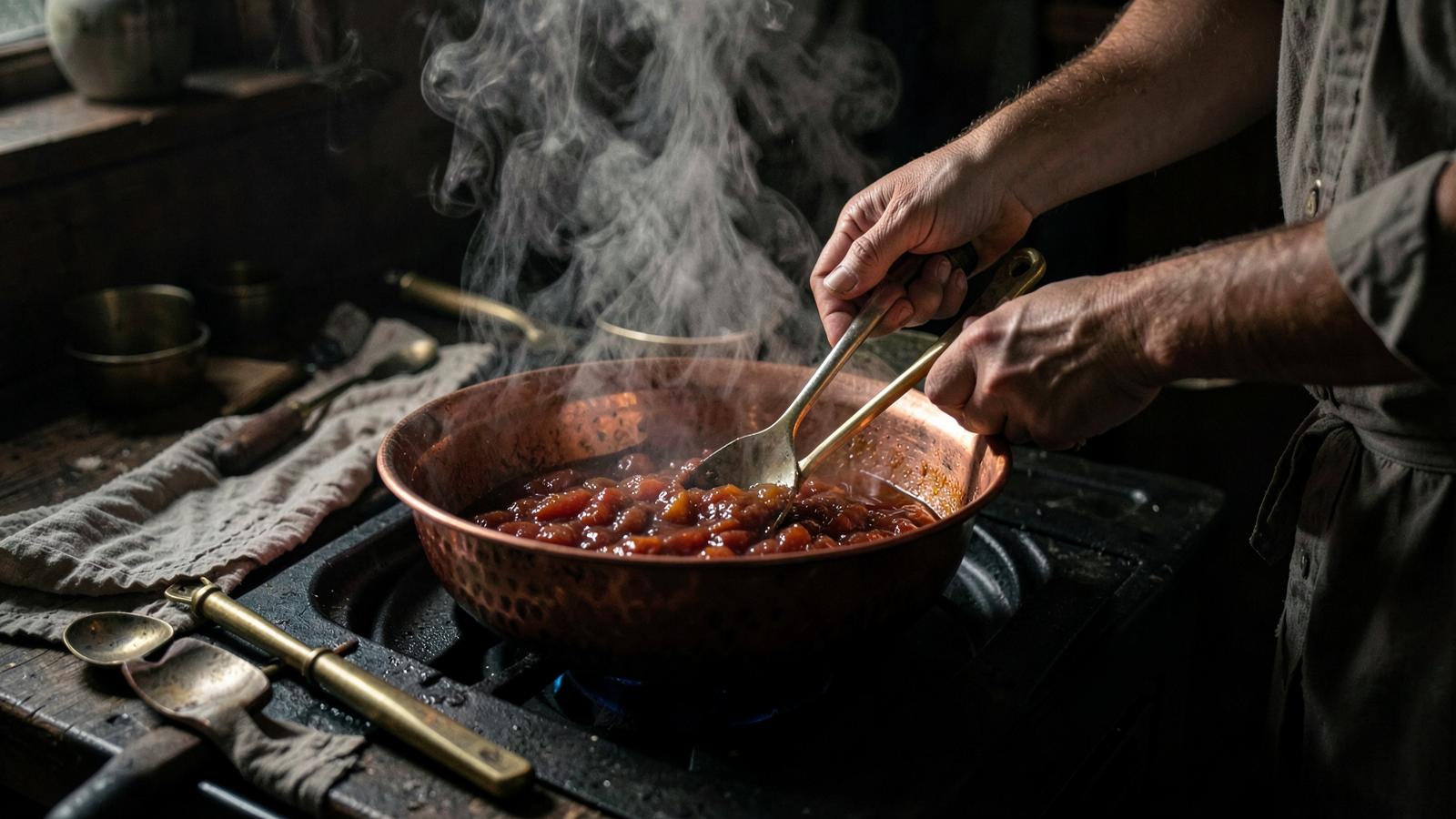
By the seventeenth century the French confituriers had worked out empirically that unlined copper produced a better set than any other pan. It took another three hundred years for chemistry to explain that copper ions strengthen the pectin network.
The tradition survives in its purest form in Alsace, where small copper-pan preserves are made in batches of a few dozen jars and sold to three-star cheese trolleys.
How we practise it
- ·Shallow and fast, in unlined copper. A deep pot needs long cooking, and long cooking browns fresh fruit into generic sweetness.
- ·The set is tested on a chilled plate by fingertip. A thermometer reports temperature, not whether pectin has taken.
- ·Less sugar than a commercial jam, which is why ours are loose-set and must be kept cold once opened.
MADE THIS WAY
Sub butyro · the English larder
Potting Under Butter
A cap of clarified butter is an airtight lid you can eat.
- Age
- 17th century and earlier
- Roots
- England and Ireland
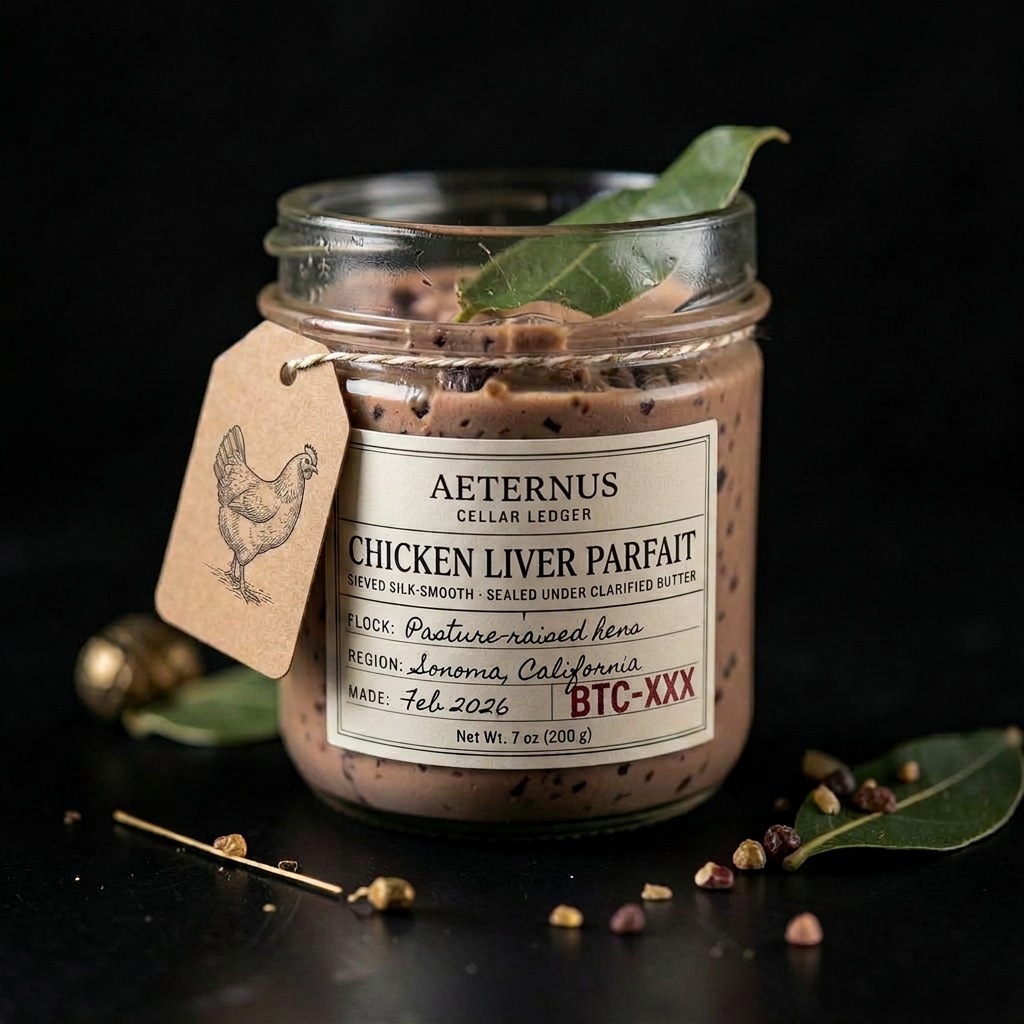
Potting is the northern European answer to confit, using butter where the south used lard and oil. Hannah Glasse's The Art of Cookery Made Plain and Easy (1747) gives recipes for potted beef, potted shrimp, potted cheese and potted salmon, and manuscript household books push the practice back another century.
Clarified butter works because the milk solids — the part that spoils — have been removed. What remains is pure fat that sets hard and airtight over a cold pot.
The French parfait refined the contents rather than the seal: livers emulsified with butter and cream into a texture closer to custard than pâté.
How we practise it
- ·Emulsions are cooked to 62°C on a calibrated probe and pulled at temperature, never at time.
- ·Everything is passed through a fine sieve twice, which is tedious and is the difference between smooth and silk.
- ·The butter cap is poured warm onto a fully chilled surface so it sets as one disc without sinking in.
Salt, smoke, fat, acid and time. Everything else is impatience.
The Cellar List
Join the Cellar List
Launch notes, first access to every release, and occasional letters from the cellar.
By joining you agree to receive email from Aeternus — launch notes, cellar letters and news. We never sell or share your details, and you can unsubscribe at any time from any email or on the email preferences page. The Cellar List is our free list; the Preservation Society is a planned paid membership — register your interest on the membership page.