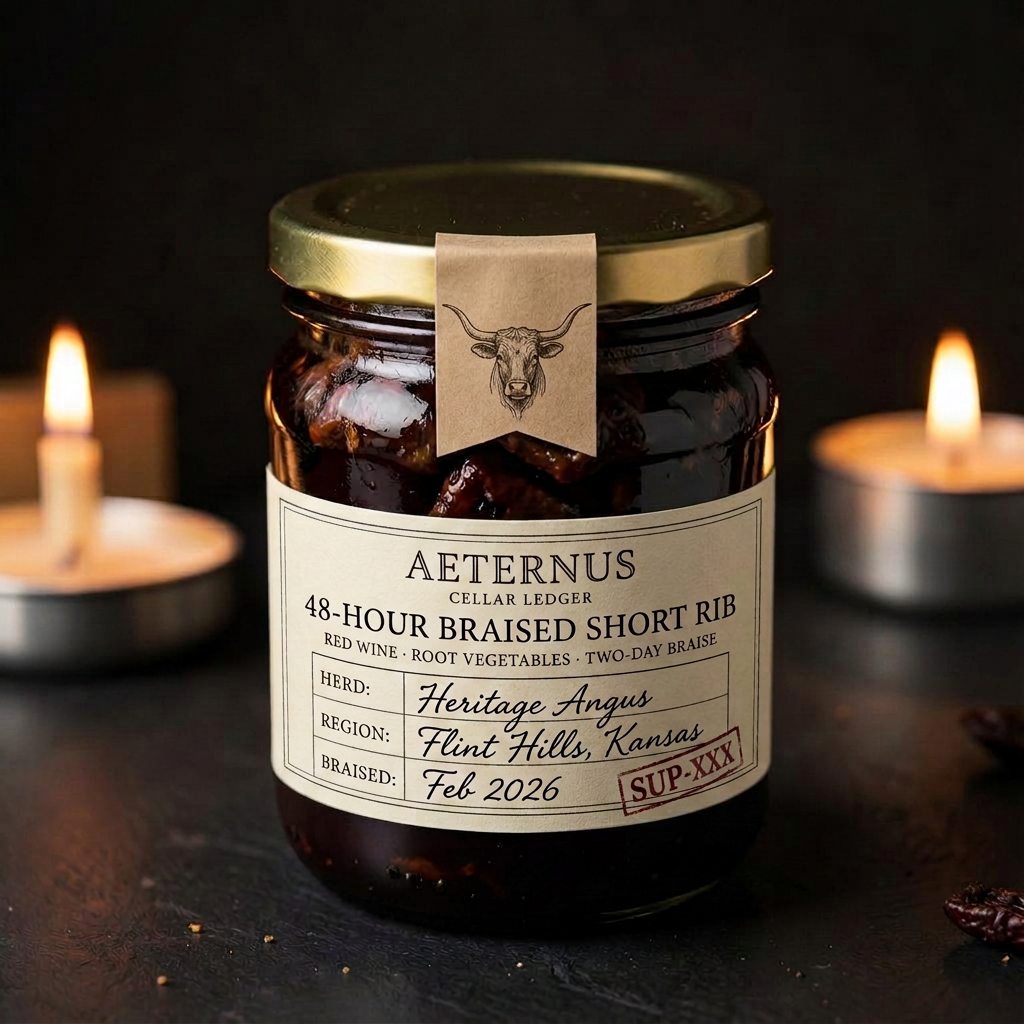
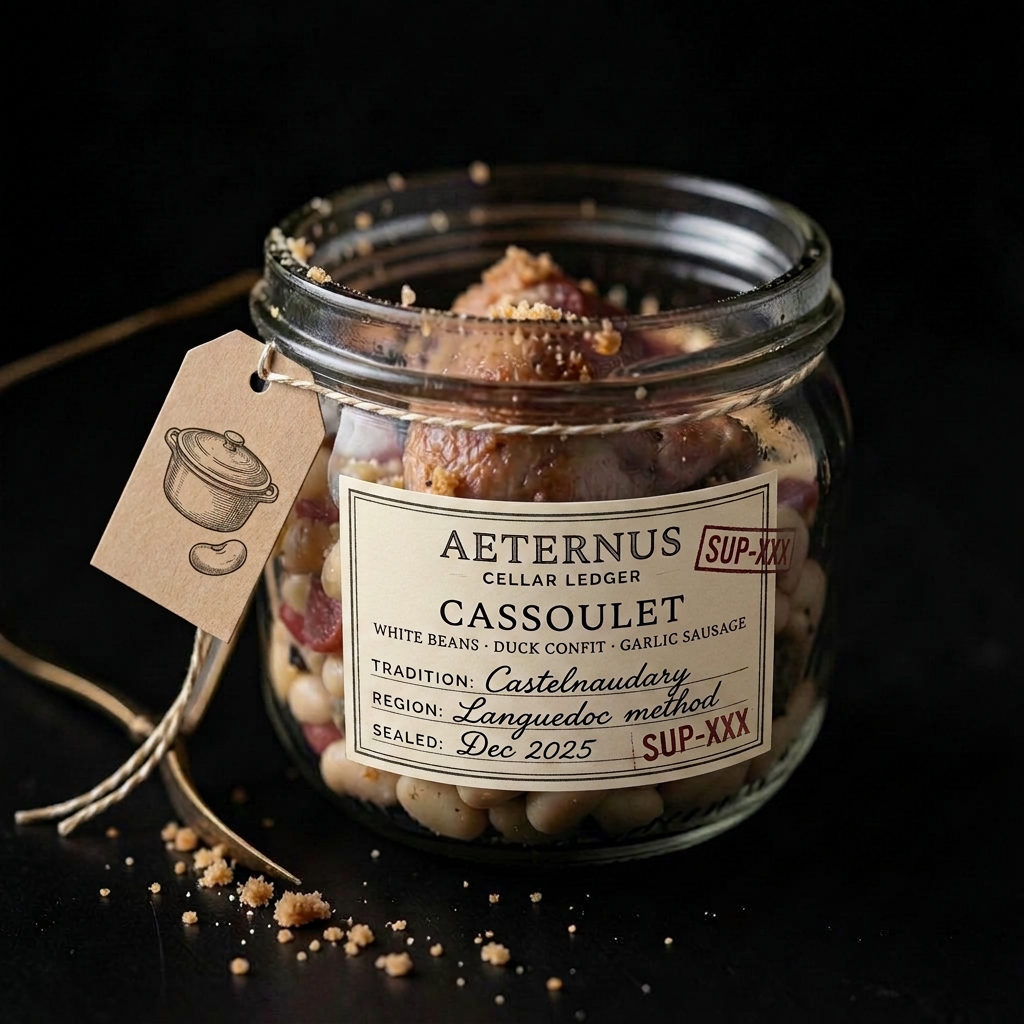
Heritage cockerels
- Provenance
- Producer details will appear here when verified.
- History
- Coq au vin exists because an old rooster is inedible any other way; Burgundian farm kitchens turned that problem into a national dish.
Sealed, numbered and signed by the hand that made it.
THE SUPPER COLLECTION
Old bird, marinated three days in Burgundy, braised with lardons and pearl onions.
$40
Pre-launch
Release notes on the Cellar List.
Pre-launch: we're not taking orders quite yet. Add pieces to your case and it will be held for you — join the Cellar List for first notice when we open.
Ships chilled and must be kept refrigerated. Recipes, packaging and validated shelf-life vary by product — final storage and shelf-life instructions will be confirmed on the product label before release.
A popular legend traces coq au vin to Roman-era Gaul, though the tale is almost certainly a later invention. What is true is that the dish exists because an older, tougher bird needs long, slow cooking in wine to become tender.
The dish is a rustic preparation formalised in French cookbooks through the 1800s and fixed in the classical canon by later codifiers.
Coq au vin is one of the best-known dishes of French home and bistro cooking, widely documented in classic French cookbooks.
The marinade is reduced separately before returning to the pot, since adding it raw would leave the sauce tasting of unfermented grape.
A butter-and-flour thickener is used rather than blood, since a blood-thickened sauce does not hold up well to reheating.
Marinate, then braise
3 days marinade · 4 hours braise
Warm the jar in water and serve over buttered noodles or plain boiled potato.
Every defining ingredient, named where we can: what it is, and what it has meant to the people who kept it. Producer and sourcing details will appear here as they are verified.
Recipes, packaging, storage instructions and shelf-life vary by product and validated production method. Follow the instructions on the label; keep chilled items refrigerated.